

ADVANCED TECHNOLOGY. MINIMAL DRIFT.

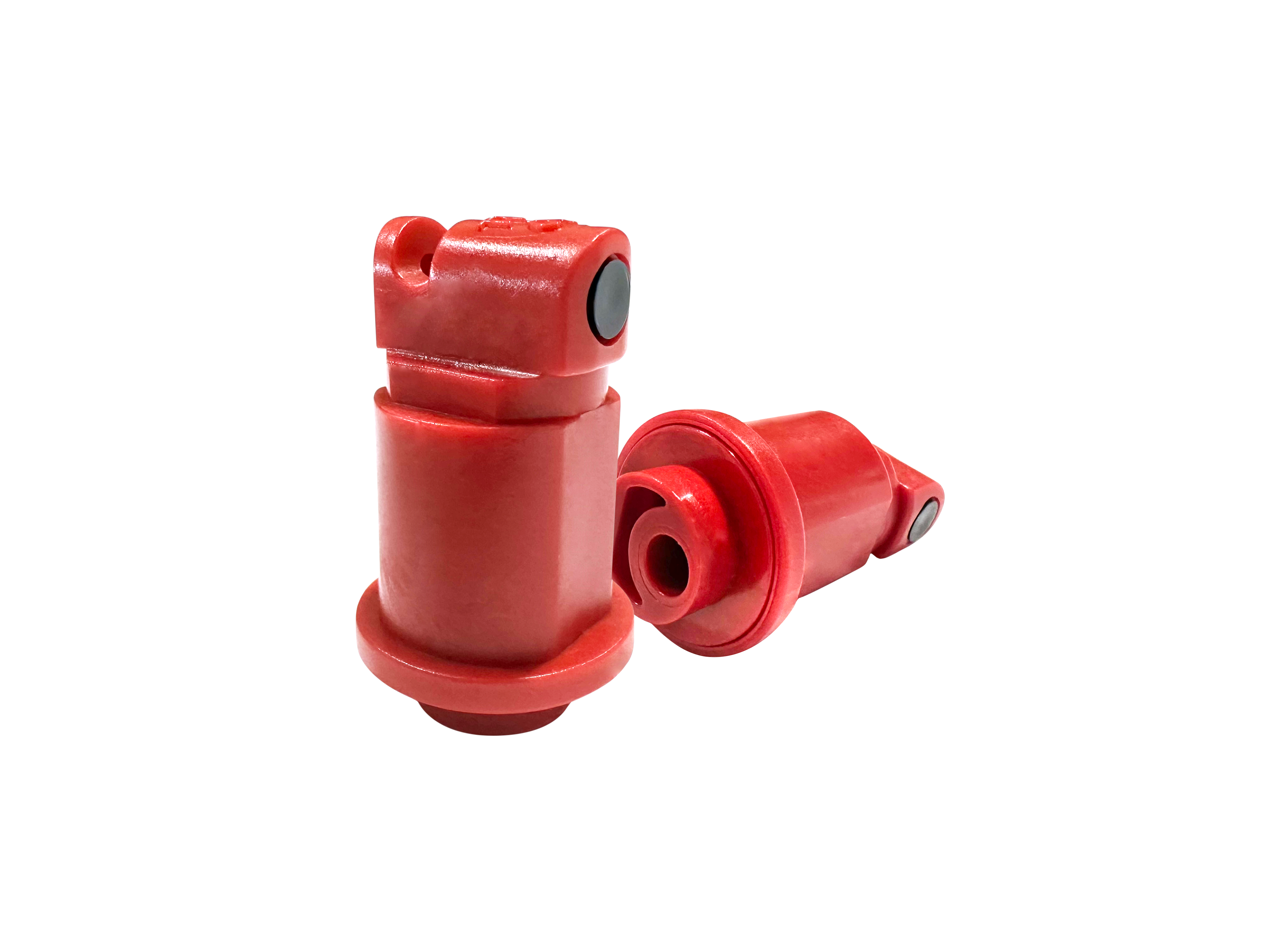
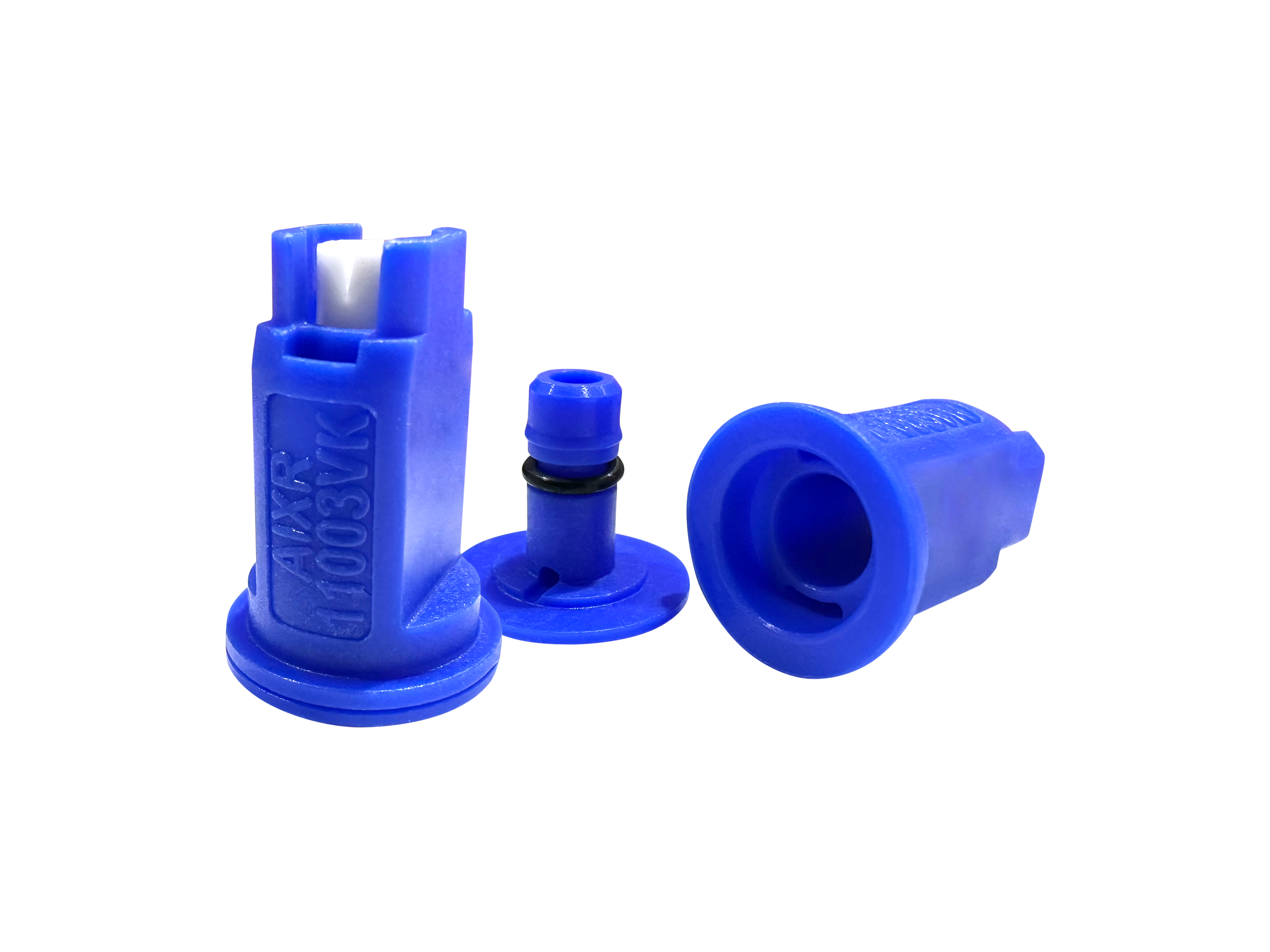
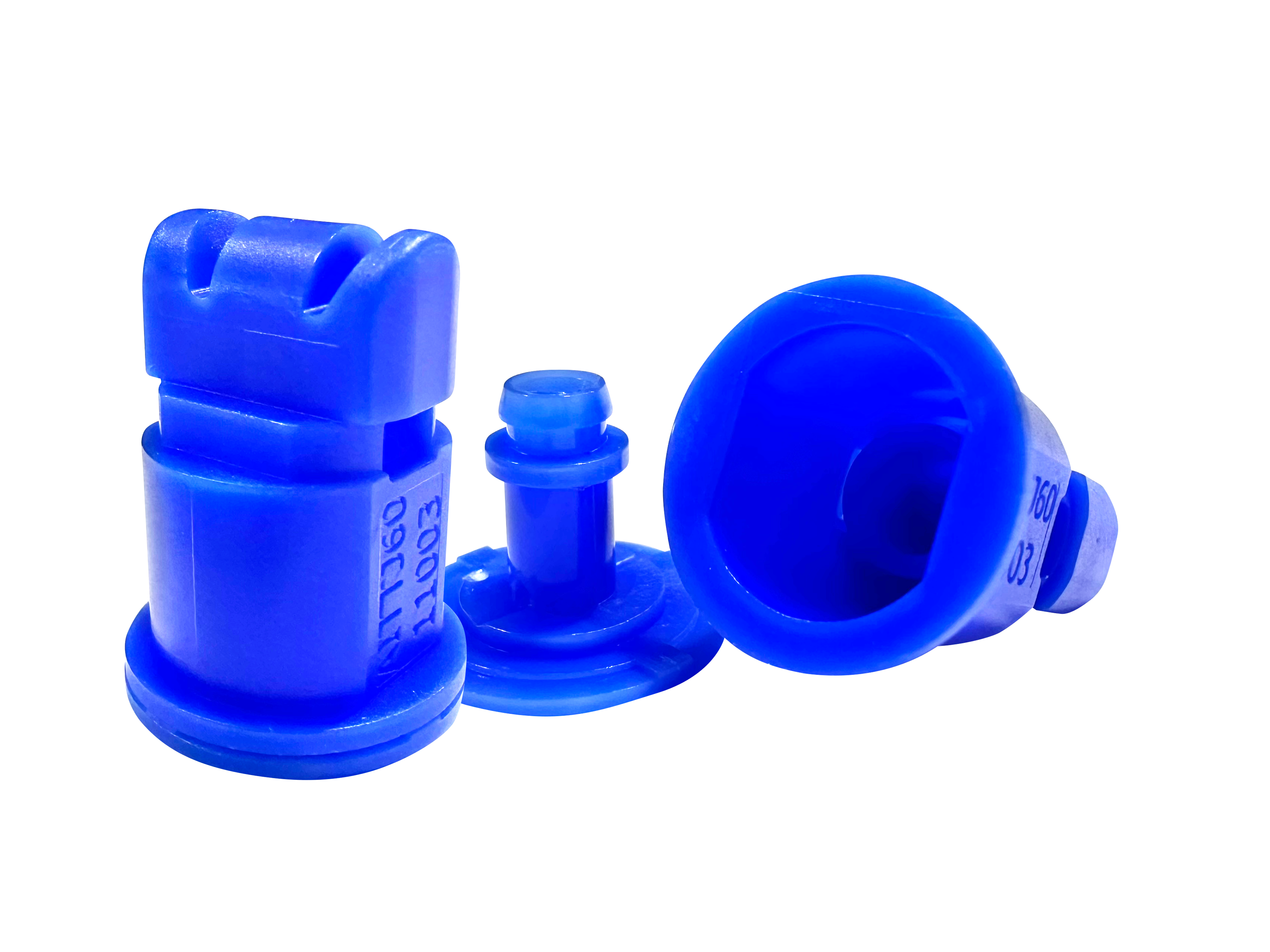
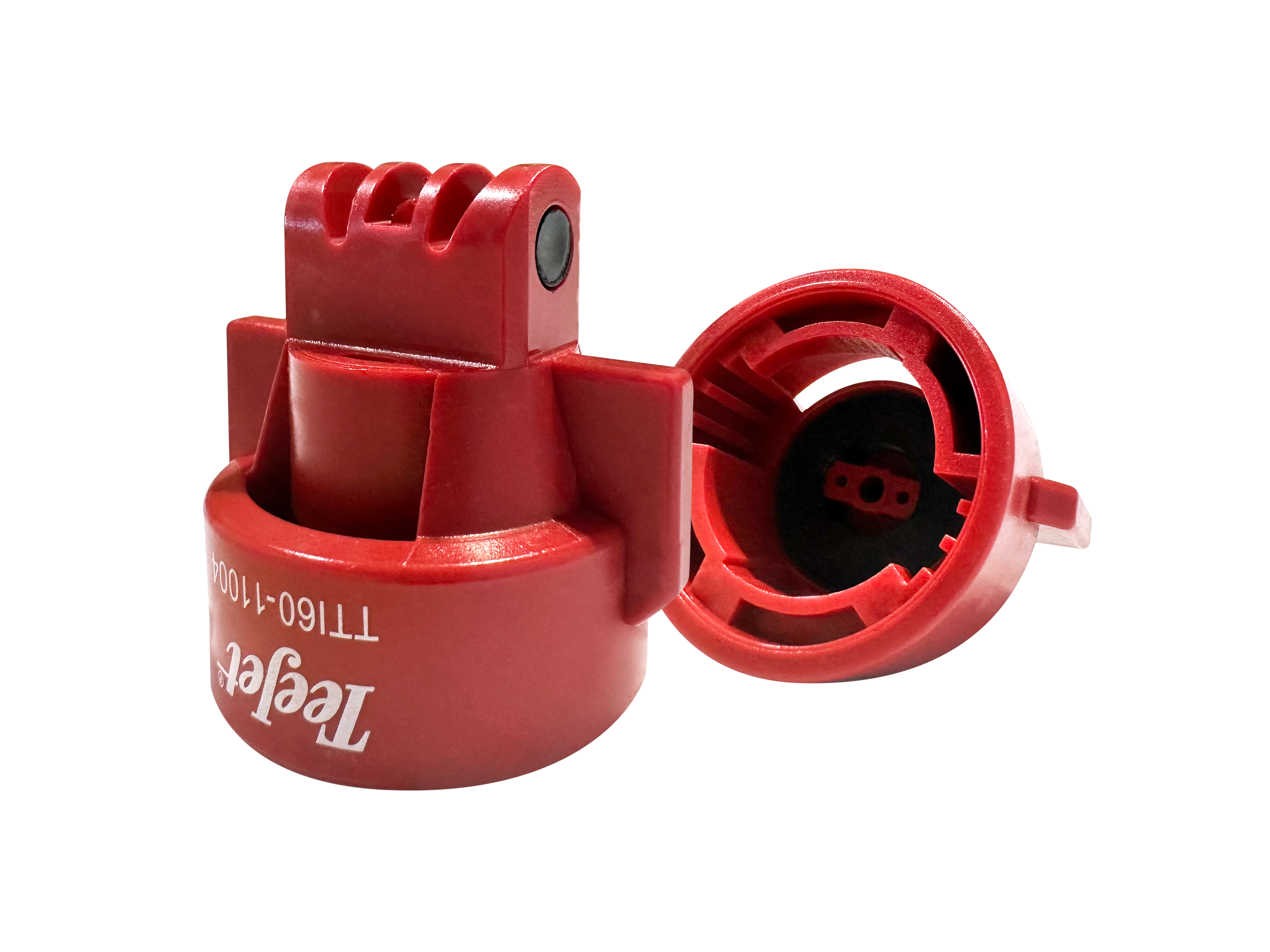
TeeJet offers a comprehensive range of spray nozzles specifically engineered to minimize pesticide spray drift, ensuring both regulatory compliance and environmental protection. Drift-tested and approved by leading institutes such as Germany’s JKI, these nozzles are designed to generate coarser, more uniform droplets that significantly reduce the risk of off-target spray movement.
Spray drift occurs when the smallest droplets become airborne and are carried by wind, leading to underdosing of crops and contamination of adjacent fields, watercourses, and inhabited areas. To address this challenge, TeeJet nozzles are optimized to deliver precise flow rates and droplet sizes across various dose rates, effectively reducing drift while maintaining application accuracy.
Low Drift Nozzles
BENEFITS
- Significantly reduces spray drift, even under challenging wind conditions.
- Helps protect sensitive areas, waterways, and neighboring crops from off-target movement.
- Supports compliance with label-mandated drift-reduction requirements.
- Extends the practical spray window by allowing application in a wider range of conditions.
- Minimizes product loss, improving efficiency and lowering input costs.
- Maintains effective coverage while prioritizing drift control.
FEATURES
- Air induction design that draws air into the spray solution to create larger, air-filled droplets.
- Reduced fines (smaller drift-prone droplets) compared to conventional flat fan tips.
- Available in single fan, wide-angle, or twin-angle spray patterns depending on tip type.
- Durable construction available in polymer, brass, or stainless steel.
- Color-coded by capacity for quick, accurate identification.
- Compatible with standard nozzle caps and gaskets for easy installation.
- Effective across a wide operating pressure range, typically 15 to 90 PSI (higher pressures often improve droplet breakup and coverage without sacrificing drift control).
![TeeJet Catalog 52 [EN-US]](/-/media/dam/agricultural/usa/website-images/teejet-spraycms-images/cat52-us_cover.jpg?la=zh-CN&h=3300&w=2550&hash=2F3E0B97C83F0713C5415AE9BAADC223 "CAT52-US (cover)")
