

ADVANCED TECHNOLOGY. MINIMAL DRIFT.

TeeJet offers a comprehensive range of spray nozzles specifically engineered to minimize pesticide spray drift, ensuring both regulatory compliance and environmental protection. Drift-tested and approved by leading institutes such as Germany’s JKI, these nozzles are designed to generate coarser, more uniform droplets that significantly reduce the risk of off-target spray movement.
Spray drift occurs when the smallest droplets become airborne and are carried by wind, leading to underdosing of crops and contamination of adjacent fields, watercourses, and inhabited areas. To address this challenge, TeeJet nozzles are optimized to deliver precise flow rates and droplet sizes across various dose rates, effectively reducing drift while maintaining application accuracy.
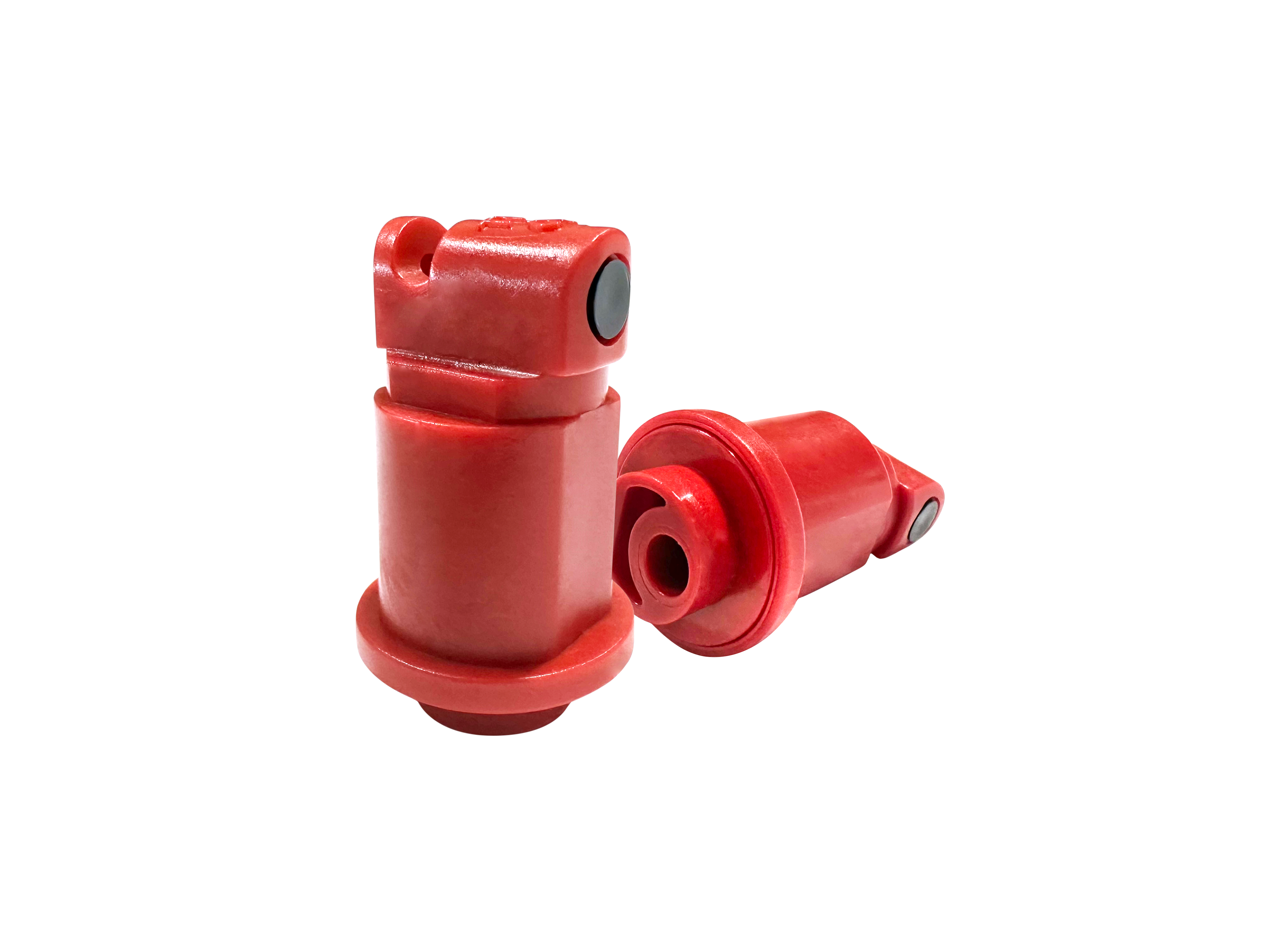
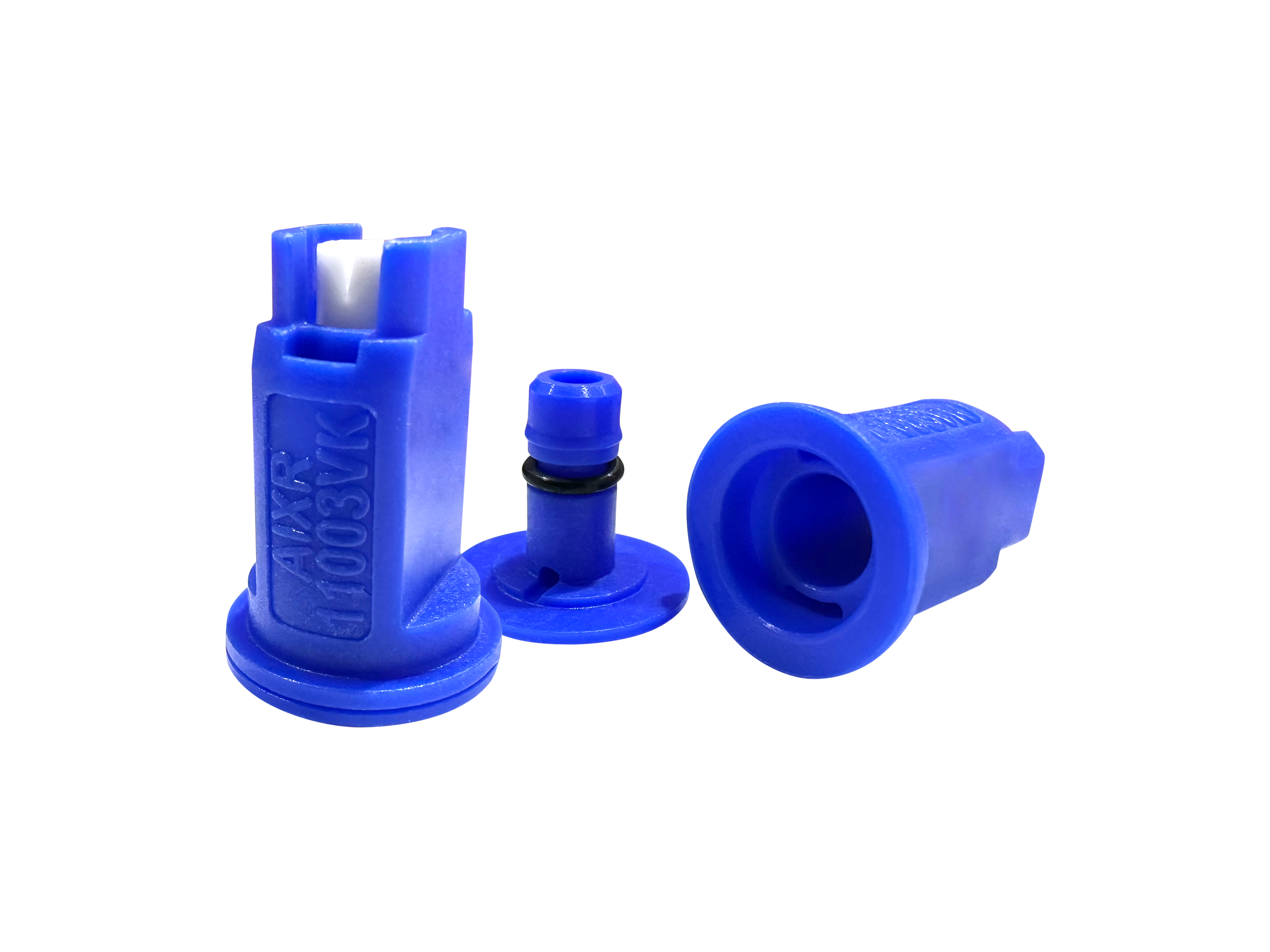
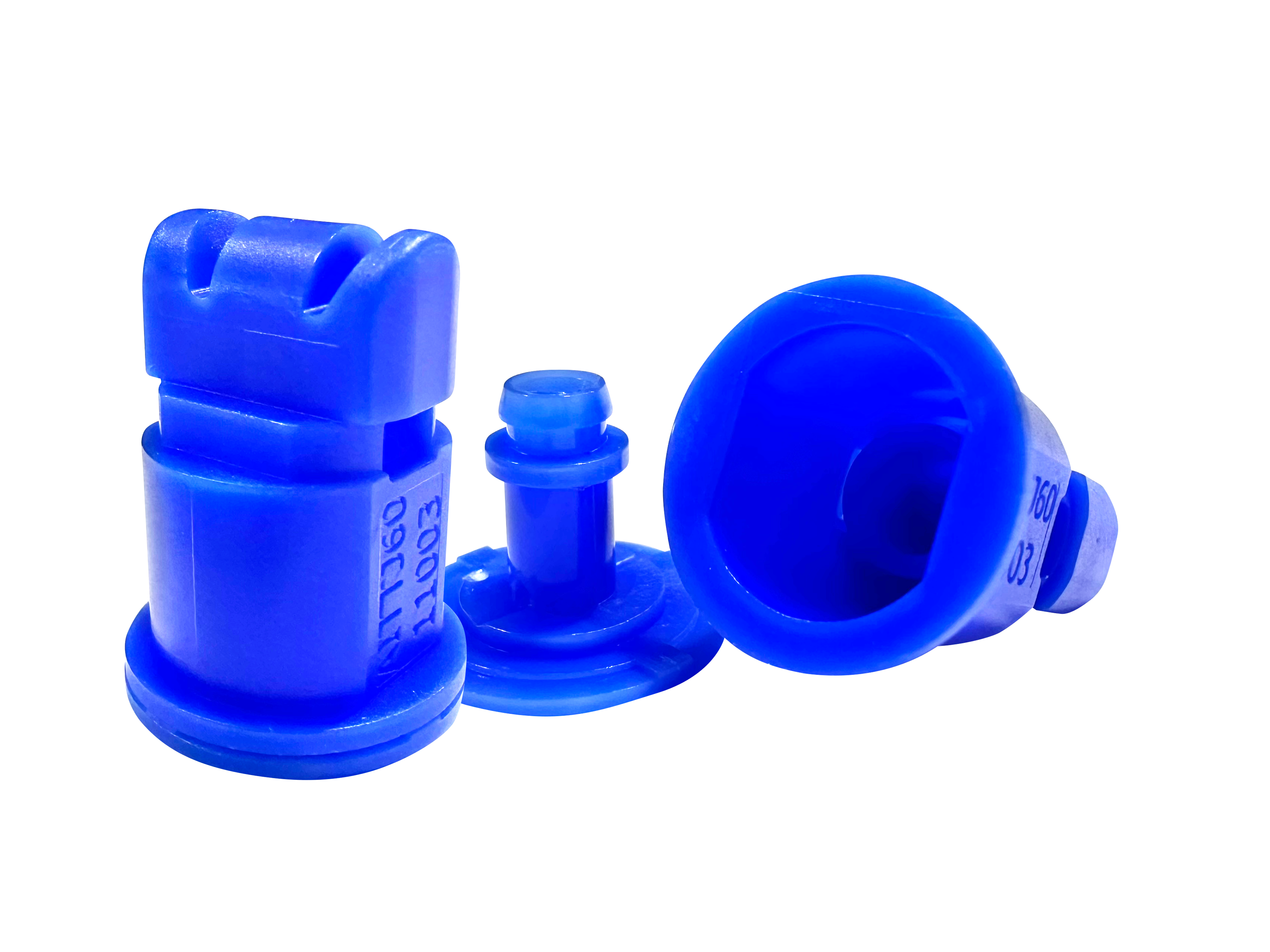
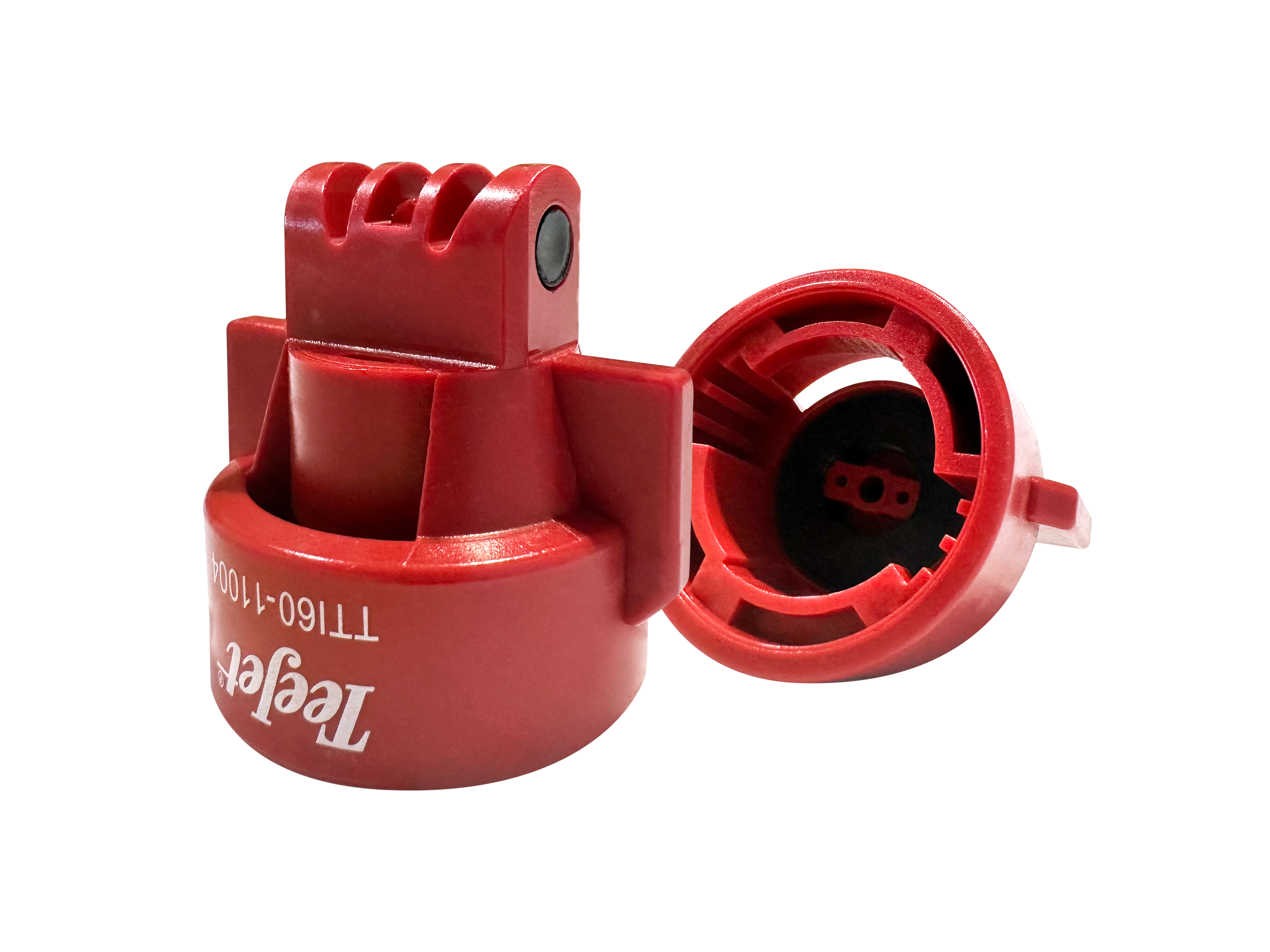
- Certified drift reduction levels, meeting or exceeding standards set by JKI, LERAP (UK), INRAE (France), and DRT (Netherlands)
- Generation of coarser droplets that reduce airborne drift by up to 95% depending on nozzle type and certification
- Compliance with regional regulations, enabling lower buffer zones and safer spraying near sensitive areas
- Enhanced environmental safety by protecting watercourses and neighboring crops from contamination
- Consistent flow rate distribution for uniform application and improved crop protection efficacy
![TeeJet Catalog 52 [EN-US]](/-/media/dam/agricultural/usa/website-images/teejet-spraycms-images/cat52-us_cover.jpg?la=zh-CN&h=3300&w=2550&hash=2F3E0B97C83F0713C5415AE9BAADC223 "CAT52-US (cover)")
